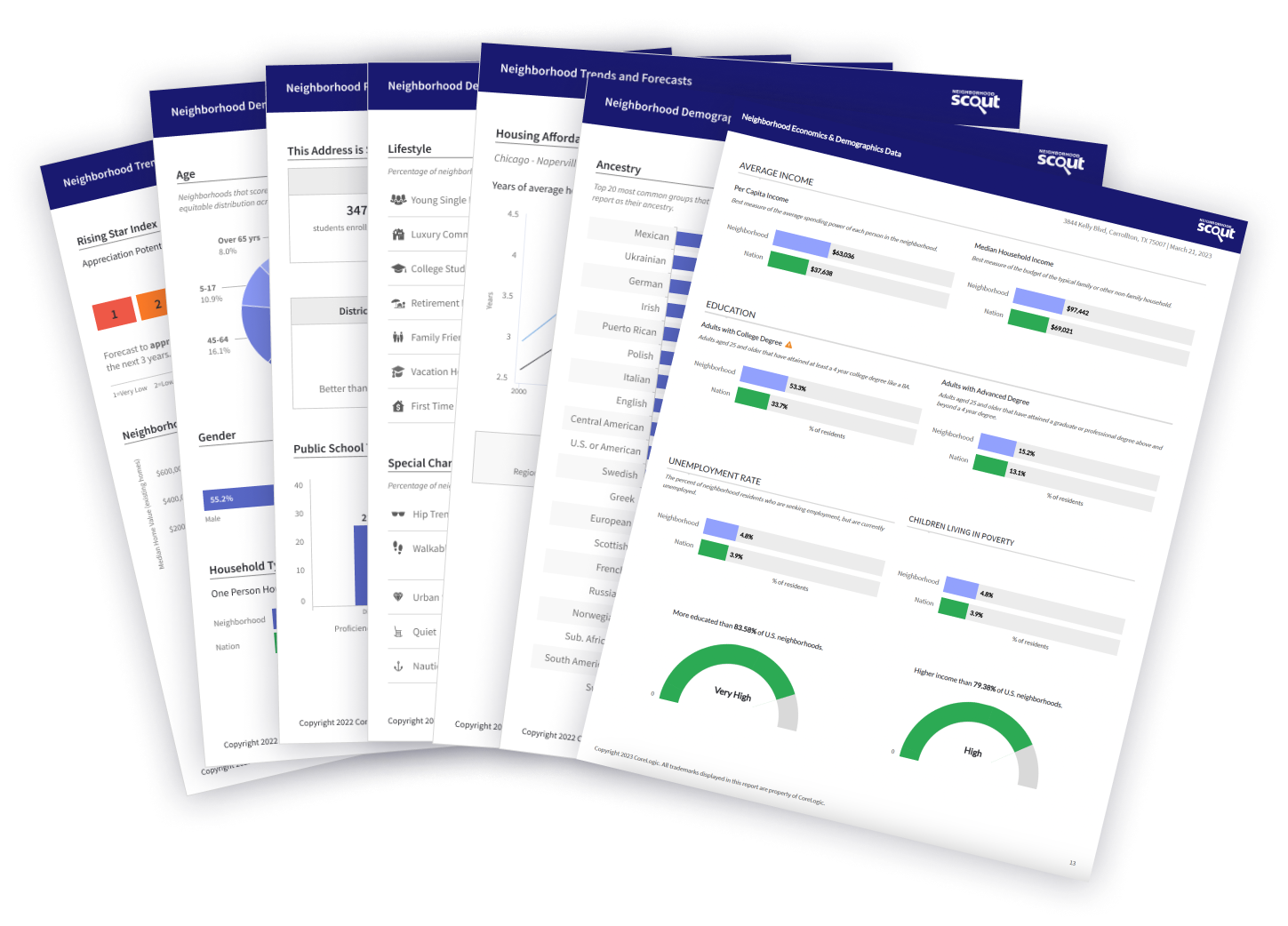
Gerton is a tiny town located in the state of North Carolina. With a population of 290 people and just one neighborhood, Gerton is the 533rd largest community in North Carolina.
When you are in Gerton, you'll notice that it is more blue-collar than most other communities in America. 55.88% of Gerton’s employed work in blue-collar jobs, while America averages only 27.7% that do. Overall, Gerton is a town of production and manufacturing workers, professionals, and sales and office workers. There are especially a lot of people living in Gerton who work in architecture and engineering (32.35%), the sciences (11.76%), and office and administrative support (0.00%).
And if you like science, one thing you'll find is that Gerton has lots of scientists living in town - whether they be life scientists, physical scientists (like astronomers), or social scientists (like geographers!). So, if you're scientific-minded, you might like it here too.
Another notable thing is that Gerton is a major vacation destination. Much of the town’s population is seasonal: many people own second homes and only live there part-time, during the vacation season. The effect on the local economy is that many of the businesses are dependent on tourist dollars, and may operate only during the high season. As the vacation season ends, Gerton’s population drops significantly, such that year-round residents will notice that the city is a much quieter place to live.
Because of many things, Gerton is a very good place for families to consider. With an enviable combination of good schools, low crime, college-educated neighbors who tend to support education because of their own experiences, and a high rate of home ownership in predominantly single-family properties, Gerton really has some of the features that families look for when choosing a good community to raise children. Is Gerton perfect? Of course not, and if you like frenetic nightlife, it will be far from your cup of tea. But overall this is a solid community, with many things to recommend it as a family-friendly place to live.
The town is relatively quiet, having a combination of lower population density and few of those groups of people who have a tendency to be noisy. For example, Gerton has relatively fewer families with younger children, and/or college students. Combined, this makes Gerton a pretty quiet place to live overall. If you like quiet, you will probably enjoy it here.
One downside of living in Gerton is that it can take a long time to commute to work. In Gerton, the average commute to work is 33.09 minutes, which is quite a bit higher than the national average.
Gerton is a very car-oriented town. 100.00% of residents commute to work in a private automobile rather than by other means, such as public transit, bicycling, or walking. This is because Gerton is a small town , and most people who live here have to drive out of town for work, and the town population is not large nor dense enough to support an extensive public transportation system. Gerton has a lot of rural roads, and houses can be far apart. Many residents drive out of town for regular shopping trips as well.
Being a small town, Gerton does not have a public transit system used by locals to get to and from work.

In terms of college education, Gerton is substantially better educated than the typical community in the nation, which has 21.84% of the adults holding a bachelor's degree or graduate degree: 33.70% of adults in Gerton have a college degree.
The per capita income in Gerton in 2022 was $93,487, which is wealthy relative to North Carolina and the nation. This equates to an annual income of $373,948 for a family of four. However, Gerton contains both very wealthy and poor people as well.
The people who call Gerton home describe themselves as belonging to a variety of racial and ethnic groups. The greatest number of Gerton residents report their race to be White. Important ancestries of people in Gerton include Irish, Norwegian, Italian, German, and Dutch.
The most common language spoken in Gerton is English. Other important languages spoken here include German/Yiddish and African languages.
Many things matter about a neighborhood, but the first thing most people notice is the way a neighborhood looks and its particular character. For example, one might notice whether the buildings all date from a certain time period or whether shop signs are in multiple languages. This particular neighborhood in Gerton, the neighborhood, has some outstanding things about the way it looks and its way of life that are worth highlighting.
If you're planning where to retire, the neighborhood in Gerton is a great option to consider. According to NeighborhoodScout's exclusive retirement dream area analysis, it's peaceful and quiet, has above average safety ratings compared to other neighborhoods in NC, offers a wide range of housing options, and has already attracted an enviable mix of college educated seniors. This neighborhood ranks as better for retirement living than 89.0% of the neighborhoods in North Carolina. If you are considering retiring to North Carolina, this is a good neighborhood to look at.
Did you know that the neighborhood has more Belgian and Czechoslovakian ancestry people living in it than nearly any neighborhood in America? It's true! In fact, 2.0% of this neighborhood's residents have Belgian ancestry and 1.1% have Czechoslovakian ancestry.
There are two complementary measures for understanding the income of a neighborhood's residents: the average and the extremes. While a neighborhood may be relatively wealthy overall, it is equally important to understand the rate of people - particularly children - who are living at or below the federal poverty line, which is extremely low income. Some neighborhoods with a lower average income may actually have a lower childhood poverty rate than another with a higher average income, and this helps us understand the conditions and character of a neighborhood.
The neighbors in the neighborhood in Gerton are lower-middle income, making it a below average income neighborhood. NeighborhoodScout's research shows that this neighborhood has an income lower than 80.4% of U.S. neighborhoods. With 42.7% of the children here below the federal poverty line, this neighborhood has a higher rate of childhood poverty than 90.9% of U.S. neighborhoods.
The old saying "you are what you eat" is true. But it is also true that you are what you do for a living. The types of occupations your neighbors have shape their character, and together as a group, their collective occupations shape the culture of a place.
In the neighborhood, 33.7% of the working population is employed in executive, management, and professional occupations. The second most important occupational group in this neighborhood is sales and service jobs, from major sales accounts, to working in fast food restaurants, with 27.9% of the residents employed. Other residents here are employed in manufacturing and laborer occupations (24.4%), and 14.0% in clerical, assistant, and tech support occupations.
The most common language spoken in the neighborhood is English, spoken by 97.6% of households. Some people also speak Italian (4.2%).
Boston's Beacon Hill blue-blood streets, Brooklyn's Orthodox Jewish enclaves, Los Angeles' Persian neighborhoods. Each has its own culture derived primarily from the ancestries and culture of the residents who call these neighborhoods home. Likewise, each neighborhood in America has its own culture – some more unique than others – based on lifestyle, occupations, the types of households – and importantly – on the ethnicities and ancestries of the people who live in the neighborhood. Understanding where people came from, who their grandparents or great-grandparents were, can help you understand how a neighborhood is today.
In the neighborhood in Gerton, NC, residents most commonly identify their ethnicity or ancestry as English (12.2%). There are also a number of people of Irish ancestry (10.0%), and residents who report German roots (9.4%), and some of the residents are also of Mexican ancestry (7.3%), along with some French ancestry residents (4.4%), among others.
How you get to work – car, bus, train or other means – and how much of your day it takes to do so is a large quality of life and financial issue. Especially with gasoline prices rising and expected to continue doing so, the length and means of one's commute can be a financial burden. Some neighborhoods are physically located so that many residents have to drive in their own car, others are set up so many walk to work, or can take a train, bus, or bike. The greatest number of commuters in neighborhood spend between 15 and 30 minutes commuting one-way to work (38.8% of working residents), which is shorter than the time spent commuting to work for most Americans.
Here most residents (82.8%) drive alone in a private automobile to get to work. In addition, quite a number also carpool with coworkers, friends, or neighbors to get to work (8.3%) . In a neighborhood like this, as in most of the nation, many residents find owning a car useful for getting to work.